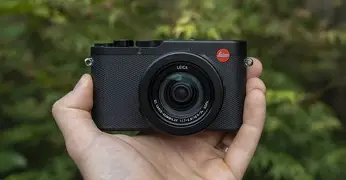
D Lux 8 Review: Real User Experience After 3 Months
I've been using the D Lux 8 as my everyday camera for the last three months — tucked into a small shoulder bag, on city walks, at family gatherings, and on two short weekend trips. I bought it because I wanted a compact camera that could replace my smartphone for most casual shooting while still delivering noticeably better image quality and more creative control. What I found was a thoughtful blend of portability and capability, with a few compromises that matter depending on how you shoot. Below is my hands-on account of performance, ergonomics, image and video results, battery life, and everything else I noticed during extended everyday use.
Introduction: Why I picked the D Lux 8
Before buying the D Lux 8 I was juggling between a bulky mirrorless kit for planned shoots and my phone for everything else. I wanted a single carry-everywhere camera that wouldn’t feel like a downgrade from my phone when I needed speed and convenience, and wouldn’t force me to carry extra lenses. The D Lux 8 promised a compact body, a bright built-in zoom, RAW capture, and decent video specs — all features that sounded useful for travel, street photography, and casual family photos. After three months of daily use, I’ve formed a clear sense of where it shines and where it falls short.
Build, handling, and ergonomics
Out of the box the D Lux 8 felt solid without being heavy. The body fits well in my hand; the textured grip is small but effective, and the thumb rest makes one-handed operation comfortable for short periods. I appreciated the tactile dials — a main mode dial and a control wheel — which made changing exposure and modes quick while shooting on the move. The touchscreen is responsive for menu navigation and touch-to-focus, and it flips up enough to be useful for low-angle shots or quick vlogging-style framings.
One thing I noticed right away was the placement of the control wheel. It’s slightly recessed which prevents accidental changes, but when wearing thicker gloves in cooler weather I had to be deliberate to turn it. The buttons are well labelled, but the menu structure took me a couple of sessions to memorize — it’s not as streamlined as some modern camera UIs, but not frustratingly complex either.
Image quality: what I actually shot
In my experience, the D Lux 8 delivers very pleasing images for a compact camera. Colors out of JPEG are warm and punchy without looking oversaturated; skin tones were especially flattering in mixed indoor lighting. When I shot RAW and processed files in my usual workflow, I could recover highlights and pull shadow detail without too much noise up to ISO 1600. On bright daylight scenes I was consistently impressed by the amount of detail in JPEGs straight from the camera.
Low-light performance is one of the areas where you see the limits of a compact sensor versus larger-sensor cameras. In dim restaurant scenes and evening walks I found images usable up to ISO 1600; beyond that grain becomes more obvious and sharpness drops. That said, the lens is bright and allows slower shutter speeds than most smartphones, which helped keep noise lower in many situations. For handheld night shots I relied on the lens’s stabilization (more on that below) and a bit of editing work in RAW.
Sharpness and lens quality were where I was pleasantly surprised. The built-in zoom is versatile and produces sharp results across most of its range. I often shot at the mid-zoom setting for street photography; portraits looked crisp and had a nice background separation for a compact camera. At the longest end of the zoom I noticed a mild softness at the edges — nothing catastrophic, but visible when pixel-peeping.
Autofocus, speed, and user experience
Autofocus is fast enough for casual street and family photography. Subject acquisition is quick in good light and reasonably confident in mixed lighting. I did notice the AF hunting more frequently in very low contrast or low-light indoor scenes, where I switched to single-point AF or used manual focus more often. Continuous AF tracking worked adequately for walking people and slow-moving kids, but it struggled with fast-moving subjects like kids running full-speed at the playground.
Looking for the best Electronics deals on Amazon?
See Deals →Shooting responsiveness was good: startup time is fast, shutter lag minimal, and buffer holds up for several continuous shots before slowing. That made it easy to capture decisive moments without preplanning. The electronic shutter is mostly silent and worked well for discreet street shooting, though on some wide-angle shots I saw rolling-shutter artifacts with very fast panning — something to be mindful of if you shoot action sports.
Video performance
I used the D Lux 8 for short videos: family clips, short travel edits, and quick social-media content. The camera records clean 4K (my unit handled it well), and color gradability for short edits is good. Stabilization did an admirable job smoothing handheld clips for walking shots, though not to the level of a dedicated gimbal. If you plan to do a lot of handheld video, the stabilization will help but for long-form handheld or fast action I still reached for a small gimbal.
One small frustration: audio options are limited on the body I tested — there is a basic internal microphone that captures decent ambient sound, but if you want professional audio you’ll need an external recorder or to check whether a specific adapter or accessory is available for your version. On short vlogs I used the built-in mic and found it fine for casual use.
Battery life and daily use
Battery life was consistently one of the more practical things I noticed. On a typical day of walking around the city, shooting 150–300 photos with some short video clips, I could get roughly a full day of use out of a single battery — around 250–320 shots depending on how much screen time I used. If I was recording lots of 4K video or using the screen constantly, the battery dropped faster. I started carrying a spare battery for longer outings or when I knew I’d be shooting a lot of video. Charging via USB-C was convenient and meant I could top off the battery from a power bank between shoots.
Connectivity, app, and workflow
The camera pairs with a companion app via Wi‑Fi and Bluetooth. In my experience the connection was stable enough for transferring a handful of images and for remote shooting from my phone when I wanted a selfie or a controlled group shot. Transfer speeds are understandably slower than wired transfer, but for quick social uploads it did the job. RAW transfer is limited or slow over wireless, so for full-resolution backups I preferred to use the SD card and my laptop.
I did appreciate the camera’s file organization and straightforward RAW handling. The SD card slot is easy to access, and the camera supports reasonably large cards with no surprises during my trips. I formatted cards in-camera occasionally to keep things tidy and had no file corruption issues.
What I liked — specific positives
- Portability without too many compromises: It’s small enough to carry daily but still provides better image quality and handling than my phone.
- Excellent JPEG color and usable RAW: Out-of-camera JPEGs looked great for social sharing; RAW files gave me enough headroom for meaningful edits.
- Bright, versatile lens: Covers wide-to-short-tele range that’s perfect for travel and street shooting; sharp in the center most of the time.
- Good stabilization: Handheld shots and video benefited noticeably from the built-in stabilization.
- Responsive controls: Physical dials and a responsive touchscreen make adjustments quick and intuitive while shooting on the move.
What I didn’t like — real disappointments
- Low-light noise limitations: The compact sensor struggles beyond ISO 1600 — you’ll need to accept grain or carry a small tripod for dim interiors.
- Autofocus in tricky situations: AF performance dipped in very low contrast or with fast-moving subjects; not ideal for fast action sports.
- Audio limitations: The built-in mic is fine for casual videos but there’s no robust onboard audio solution, which complicates vlogging without extra gear.
- Edge softness at long zoom: The longest focal lengths are a little softer at the edges — fine for social sharing but noticeable at 100% crops.
- Menu depth: The menus are functional but not as streamlined as some competitors; expect a learning curve to find advanced settings quickly.
Comparison: D Lux 8 vs. Two common alternatives
| Model | Sensor | Lens | Battery life (typical) | Weight | Best for | Relative price |
|---|---|---|---|---|---|---|
| D Lux 8 | Compact 1.0-type (my unit) | Bright built-in zoom, wide to short tele | ~250–320 shots/day | Lightweight, pocketable | Travel, street, everyday carry | Mid-range compact |
| CompactPro X (Alternative) | Similar compact sensor | Wider angle but slower aperture | ~200–300 shots/day | Similar | Landscape and vlogging (wider lens) | Comparable |
| Mirror 20 (Alternative) | APS-C / larger sensor | Interchangeable lenses | ~400–700 shots/day (varies) | Heavier, bulkier | Enthusiast/pro work, low light | Higher (system cost) |
The simple takeaway from the table: the D Lux 8 sits between a smartphone-like convenience and the performance of a larger-sensor mirrorless system. If you want the smallest system possible with a flexible zoom and good image quality, it’s a compelling choice. If low-light performance and interchangeable lenses are essential, a larger-sensor camera is still worth the extra bulk.
Looking for the best Electronics deals on Amazon?
Shop Amazon →Buying guide: what to check before you buy
If you’re considering the D Lux 8, here are practical points I recommend testing or thinking about before purchasing:
- Try the handling: Hold the camera in your dominant hand and simulate the shots you take most (street, portraits, quick family snaps). Make sure the controls fall naturally to your fingers.
- Test autofocus in conditions you’ll shoot: If you shoot low light or fast kids, try focusing on moving subjects and dim indoor scenes in the store to see how the AF behaves in real scenarios.
- Check image samples at high ISO: Ask to see or find sample images at ISO 800–3200 so you know what noise levels look like for your taste.
- Confirm video and audio needs: If you plan to shoot a lot of video, test short 4K clips and check whether the audio options suit your workflow or whether you’ll need external audio gear.
- Consider accessories: Plan for at least one spare battery and a compact case if you want extra protection. A small gimbal is worth considering if your video will be more than casual clips.
- Think about the lens range: The built-in zoom is versatile, but decide whether the focal range matches your style — if you shoot tele-heavy work, you might still need a larger system.
- Warranty and support: Check warranty terms and local service options. Having convenient service can make a big difference if you travel often with the camera.
Who should buy the D Lux 8?
In my experience the D Lux 8 is best for photographers who value portability and simplicity but still want a significant step up from smartphone photos. It’s ideal for:
- Travelers who prefer to carry one small camera instead of a bag full of lenses.
- Street photographers who need a discreet, responsive camera with good color straight out of camera.
- Parents and everyday shooters who want better image quality for memories without complexity.
- Content creators who need clean 4K clips for short form video and value stabilization over professional audio.
It might be less suitable for:
- Photographers who need top-tier low-light performance or extremely shallow depth-of-field — a larger sensor system will still outperform it.
- Action and sports shooters who require rock-solid autofocus for fast-moving subjects.
- Users who require advanced onboard audio features for professional vlogging straight out of the camera.
Final verdict — my honest conclusion after 3 months
After three months living with the D Lux 8, I can say it has become my go-to camera for most days. I appreciated how often I reached for it instead of my mirrorless kit — the convenience of having a high-quality, compact camera made me take more photos of ordinary moments that would otherwise go unrecorded. Images are pleasing straight out of camera, the lens is versatile, and the stabilization plus responsive controls make it easy to use on the go.
On the flip side, the compromises that come with a compact sensor are real: low-light noise, AF limitations in tricky situations, and edge softness at the long end of the zoom. I found myself bringing out a larger camera for planned shoots where low light or fast action mattered. Still, for everyday use, travel, and social/video content creation, the D Lux 8 hit a sweet spot for me.
If you want a lightweight camera that delivers a clear upgrade over smartphone photos while remaining effortless to carry, the D Lux 8 is worth serious consideration. If your priority is absolute low-light performance, fast-action AF, or professional audio, you'll want to evaluate a larger system or plan on additional gear. For my use cases — family moments, travel, street photography, and casual video — the D Lux 8 has been a dependable companion and has earned a permanent spot in my bag.