Difference Between Pixel 10 Pro Fold and Xiaomi 15T Pro Explained
Introduction
When choosing a new flagship phone, buyers increasingly face not just a choice between brands but between form factors. The Pixel 10 Pro Fold and the Xiaomi 15T Pro represent two distinct approaches to premium mobile experiences: one embraces foldable hardware and a productivity-first mindset, while the other doubles down on raw slab-style performance and pack-in value. This article breaks down the differences in a practical, buyer-focused way—covering design, displays, software and updates, cameras, performance, battery life, durability, and real-world use cases—so prospective buyers can match device strengths to their priorities.
Detailed product review and analysis
Design and build: foldable versus traditional flagship
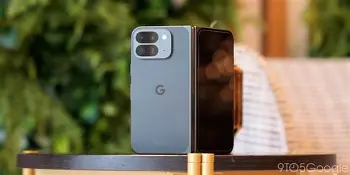
The most obvious difference is physical. The Pixel 10 Pro Fold is a large, book-style foldable designed to provide tablet-class screen real estate in a device that closes to a slimmer cover display. This makes it attractive for users who want a single device that can serve as a phone and a small tablet for reading, light editing, or split-screen multitasking.
The Xiaomi 15T Pro sticks to the conventional slate design: a single rigid display, thin profile, and a focus on being as light and pocketable as possible for its performance class. Xiaomi typically optimizes for value—offering premium materials and large batteries while keeping the overall footprint familiar to most buyers.
Display and daily use
The Pixel foldable’s inner display is the headline feature. It delivers a larger canvas for multi-window workflows, document editing, and immersive media consumption. The cover display provides quick access to notifications and single-handed interactions when the device is closed. Foldables excel when the user frequently switches between short interactions and extended sessions, like reading long articles, editing documents, or watching videos on the move.
The Xiaomi 15T Pro emphasizes a high-quality single display: bright, color-accurate, and tuned for gaming and media. A high refresh rate combined with responsive touch and consistent color output makes it well suited for fast-paced gaming and day-to-day scrolling. For users who rarely need a tablet-sized screen but care about speed, display smoothness, and outdoor visibility, this approach is preferable.
Software, multitasking and ecosystem
Software is where the form factor truly affects the experience. The Pixel 10 Pro Fold benefits from software optimizations targeted at foldables—multi-window layouts, task continuity between the outer and inner screens, and UI adjustments to better use the larger display. Google’s experience typically integrates tightly with Android updates and its suite of services, which is a practical advantage for users who rely on G Suite/Google Workspace, Photos, and regular OS improvements.
The Xiaomi 15T Pro runs Xiaomi’s Android skin with emphasis on customization, aggressive performance modes, and battery optimizations. Xiaomi’s ecosystem has matured, offering a broad range of accessories and tightly integrated features with devices like earbuds, watches, and smart home products. Buyers who want granular control over system behavior and performance tuning will appreciate this software approach, though update cadence and long-term support can vary between manufacturers.
Cameras and imaging
Photography is a major selling point for both models but with different trade-offs. The Pixel line has historically focused on computational photography—delivering consistent, natural-looking results by leveraging software processing. On a foldable variant, larger hardware may also allow flexible camera placement and shooting modes that take advantage of the folded form (for example, using the cover display as a viewfinder).
Xiaomi often packs top-tier sensors and high megapixel counts, combined with aggressive imaging modes and night algorithms. For buyers who prioritize versatile hardware and advanced shooting modes (manual controls, high-resolution crops), Xiaomi’s flagship approach is compelling. In real-world use, this translates to slightly different philosophies: Pixel favors simplicity and predictability, while Xiaomi provides more tools and settings for hands-on photographers.
Performance and thermals
Performance manifests differently in a foldable chassis versus a slab. The Pixel 10 Pro Fold focuses on sustained multitasking and smooth transitions between multiple apps on the large inner screen. Heat management in foldables is often a challenge; manufacturers balance chassis thickness and cooling to avoid excessive throttling during long sessions.
Find top-rated Mobile Phones products at great prices.
Browse Now →The Xiaomi 15T Pro targets peak performance in gaming and compute tasks. Its slab design allows more conventional thermal solutions and often yields better sustained performance under heavy gaming loads. For gamers and power users who run prolonged benchmarks, the Xiaomi approach tends to offer more consistent raw frame rates.

Battery life and charging
Foldables have to divide battery capacity across two displays and a hinge mechanism, so real-world endurance depends heavily on usage patterns: extended tablet-mode sessions are more draining than typical single-screen phone use. Foldables sometimes ship with modest charging speeds to reduce heat on internal components.
Xiaomi’s flagships typically emphasize large batteries and very fast wired charging—aimed at minimizing downtime. For users who prioritize quick top-ups and long stamina during heavy single-screen use (gaming, streaming), Xiaomi’s charging strategies are a practical advantage.
Durability, repairability and service
Durability is a frequent concern with foldables. While hinge designs and protective coatings have improved, foldable displays remain more delicate than glass slabs and may be more expensive to repair. Prospective buyers should weigh the convenience of a larger screen against higher long-term maintenance costs and the need for careful handling.
Xiaomi slab phones typically benefit from standard glass and frame repairs that are widely available and often cheaper. Repairability, warranty service quality, and regional support networks vary by market, so buyers should check local service options and warranty terms before deciding.
Pros & Cons
Pixel 10 Pro Fold
- Pros: Large inner display for multitasking and media; seamless experience for productivity tasks; tight integration with Google services and Android updates; unique form factor that can replace a tablet for many users.
- Cons: Heavier and thicker than typical phones; higher repair costs and potentially less durable than slabs; battery life can be variable depending on how often the inner display is used; generally a higher price point.
Xiaomi 15T Pro
- Pros: Strong slab-style performance and thermals; fast charging and long battery life in many use cases; excellent value for feature set; polished display for gaming and media.
- Cons: No tablet-sized screen for extended productivity; software update policies may vary by region compared with Pixel’s long-term updates; may feel similar to many other slab flagships if the buyer specifically wants novelty.
Direct comparison table
| Category | Pixel 10 Pro Fold | Xiaomi 15T Pro |
|---|---|---|
| Form factor | Book-style foldable — inner tablet-sized display plus outer cover screen | Traditional slab — single rigid display, thin and pocketable |
| Best for | Productivity, multitasking, media consumption, users who want one-device tablet replacement | Gaming, single-screen media, photography enthusiasts seeking hardware flexibility, fast charging priority |
| Display experience | Large canvas with split-screen benefits; optimized for app continuity | High refresh rate, bright and consistent color; ideal for gaming and outdoor use |
| Software & updates | Android experience with strong integration and typically timely updates | Feature-rich vendor skin with customization and performance modes; update cadence varies |
| Camera approach | Computational photography and consistent results; user-friendly point-and-shoot outputs | Hardware-forward with high-resolution sensors and advanced shooting modes |
| Performance profile | Optimized for multitasking and app continuity; mixed thermal constraints | Peak-oriented performance with sustained gaming capabilities |
| Battery & charging | Variable endurance depending on screen usage; charging balanced for thermals | Large battery capacity and very fast wired charging options |
| Durability & repairs | More delicate display and more expensive repairs; hinge wear considerations | More conventional glass repairs; generally easier to service |
| Value proposition | Premium novelty and productivity in one device—price reflects that | High performance and feature density for the price—strong value if a slab fits needs |
Real-world use cases: which buyer for which phone
Understanding how each phone maps to daily life helps clarify the choice.
Who should consider the Pixel 10 Pro Fold?
- Professionals who frequently read and edit documents on the go and want a larger display without carrying a separate tablet.
- Content consumers who value a larger screen for streaming, comics, or long-form reading sessions.
- Users who prioritize timely Android updates and tight integration with Google services for productivity.
- Power users who appreciate novelty and are willing to accept trade-offs in weight and repair cost for multitasking benefits.
Who should consider the Xiaomi 15T Pro?
- Mobile gamers and users who want the most consistent thermal performance and high sustained frame rates.
- Photographers who prefer hardware flexibility and control over imaging parameters.
- Buyers who want fast charging and long battery life without adopting a new form factor.
- Value-conscious flagship buyers who want a high feature-to-price ratio.
Buying guide: how to choose between them
When deciding between the Pixel 10 Pro Fold and the Xiaomi 15T Pro, buyers should evaluate along several practical dimensions. The following checklist helps prioritize what matters most.
1. Define primary use
If the top priority is replacing a tablet for reading, note-taking, or side-by-side document work, the foldable’s larger inner display will be highly beneficial. If the user’s day centers on gaming, photography, or single-screen multitasking, the Xiaomi slab will likely offer better thermals and simplicity.
2. Consider portability and comfort
Compare how the phone feels in a pocket and how comfortable long single-handed sessions are. Foldables tend to be thicker and heavier; if frequent single-handed operation is a priority, the slab form factor may be more comfortable.
Looking for the best Mobile Phones deals on Amazon?
View Offers →3. Evaluate software support and ecosystem
For buyers who value monthly security updates and multi-year OS support, Google’s Pixel family is often a strong choice. For those invested in Xiaomi’s ecosystem (earbuds, watches, smart home), the 15T Pro’s integration can create convenience and value.
4. Camera priorities
Decide whether consistent, easy-to-achieve results (computational photography) or hardware flexibility and manual control is preferred. Review sample photos taken in real-world scenarios (low light, action, portraits) rather than just spec sheets.
5. Battery and charging needs
Think about daily routines. If the user can charge frequently and wants minimal downtime, Xiaomi’s fast-charging options are attractive. If the buyer prefers longer unplugged stretches with occasional tablet-mode sessions, check practical battery tests that account for inner-display usage.
6. Durability and repairability
Assess the local repair network and warranty terms. Buyers in regions where foldable repair centers are scarce should weigh the risk and potential cost of out-of-warranty repairs for a foldable device.
7. Price and resale value
Factor in initial cost and expected depreciation. Foldables are premium items with niche resale markets; slabs from mainstream manufacturers often retain predictable resale values and are easier to sell second-hand.
Practical tips before purchase
- Try both devices in person, if possible: size, hinge feel, weight distribution, and UI behavior are best judged tactilely.
- Read real-world battery and camera reviews focusing on use-case scenarios similar to the buyer’s habits (commuting, travel, gaming sessions).
- Check regional warranty terms and the availability of authorized repair centers.
- Consider accessories and protective options—specialized cases and screen protectors differ for foldables versus slabs.
- If future-proofing matters, prioritize software update policies and how quickly the vendor delivers major Android releases and security patches.
Conclusion
Choosing between the Pixel 10 Pro Fold and the Xiaomi 15T Pro is less about which is objectively “better” and more about matching a device to real, repeatable use. The Pixel 10 Pro Fold redefines what a single pocketable device can do by adding a tablet-like canvas for multitasking and content consumption, making it compelling for productivity-minded users willing to accept higher cost and added care. The Xiaomi 15T Pro, by contrast, focuses on the strengths of the traditional flagship: peak performance, fast charging, and a familiar, pocket-friendly form that excels in gaming and camera flexibility.
For buyers who prioritize a versatile display and seamless integration with Google services, the foldable is a clear contender. For those who prioritize thermals, charging speed, and a straightforward slab experience with strong value, the Xiaomi 15T Pro is likely the more pragmatic choice. Ultimately, the right pick depends on how the device will be used daily—readers should weigh the practical trade-offs outlined here against their own routines before deciding.